What to know about end of tenancy cleaning in E6
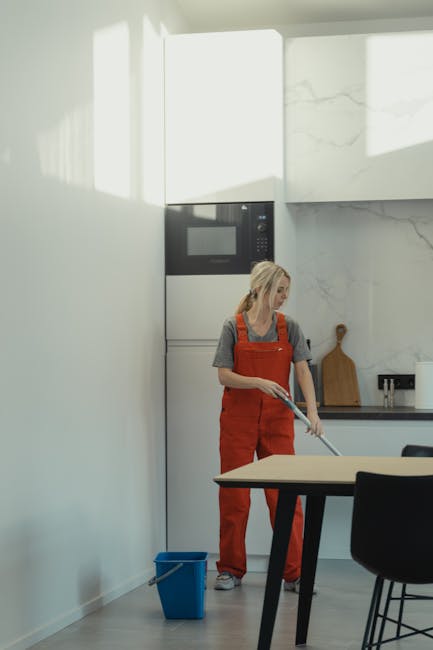
If you are moving out in E6, the last thing you want is a stressful handover or a deposit dispute that hangs around after the boxes are gone. End of tenancy cleaning can sound simple on paper, but in real life it is one of those jobs where the detail matters. Skirting boards, oven trays, bathroom limescale, inside cupboards, carpet edges, the odd mark behind a radiator, all of it can come into play.
In this guide, we will break down what to know about end of tenancy cleaning in E6 in a clear, practical way. You will learn what the job usually includes, why landlords and letting agents care so much, how the process works, what can go wrong, and how to judge whether you should do it yourself or bring in professional help. Simple enough, but there are a few traps. Let's get into it.
Why What to know about end of tenancy cleaning in E6 Matters
End of tenancy cleaning is not just about making a property look nice for the next person. It is about leaving the home in the condition expected at the end of the tenancy, allowing for fair wear and tear. In practice, that means the property should feel properly cleaned, not just superficially tidied. There is a big difference between "looked okay when I left" and "checked properly from top to bottom."
In E6, where many tenants move between flats, terraced houses, and shared homes, the standard can feel a bit sharper because landlords and agents often work to tight turnaround times. A property that is late, dusty, greasy, or still smelling of cooking or pets may quickly become a problem at checkout. And yes, sometimes it is the little things that trigger a complaint: limescale around taps, crumbs in drawer runners, fingerprints on doors, or that stubborn line of grime where the carpet meets the wall.
Here is the key point: the clean should support a smooth inventory checkout. If the inventory check-in report showed a spotless oven and clean upholstery, the checkout may be judged against that. If your cleaning falls short, even slightly, the deposit discussion can become messy very quickly. No one enjoys that conversation at the end of a move.
For tenants, the question is usually, "How clean is clean enough?" For landlords and agents, the question is, "Can this property be re-let without extra work?" That gap is where most misunderstandings happen. End of tenancy cleaning exists to close it.
Expert summary: the safest approach is to clean methodically, document the result, and focus on the areas people often forget. A property that is genuinely deep cleaned tends to speak for itself at checkout.
How What to know about end of tenancy cleaning in E6 Works
End of tenancy cleaning is usually a room-by-room deep clean carried out after most belongings have been removed. It is more detailed than a regular weekly clean and more targeted than a spring clean. Think of it as a reset: the goal is to leave the property in a presentable, hygienic, and inspection-ready condition.
A proper job normally begins with clearing the space, removing loose dust and debris, and then working from top to bottom. That top-to-bottom approach matters because dust falls, steam loosens grime, and cleaning solution needs contact time. If you clean the floor first and the shelves last, you end up doing the same work twice. A classic rookie mistake, honestly.
In a typical E6 rental property, the process may include:
- kitchen degreasing, including cupboards, splashbacks, extractor areas, and appliances
- bathroom descaling, especially around taps, showers, tiles, and fittings
- carpet and floor cleaning, with attention to edges and high-traffic marks
- dust removal from skirting boards, ledges, switches, and fixtures
- interior glass and mirrors
- spot treatment for stains, odours, and marks on soft furnishings if present
- final inspection to catch missed areas before handover
Some properties need a lighter clean, others need much more. A student flat with heavy footfall, a family home with pets, or a rented property that has not been deep cleaned in years will each need a different level of effort. That is why a flat-price promise without a proper viewing can be a bit optimistic. To be fair, every property tells its own story the moment you walk in.
Professional cleaners often work with a checklist, which is useful because end of tenancy cleaning is detail-heavy. If you are doing it yourself, create your own room checklist and resist the urge to rush. The last hour matters more than people think. It is usually when the forgotten marks show up.
Key Benefits and Practical Advantages
The most obvious benefit is a cleaner checkout, but there is more to it than that. A strong end of tenancy clean helps reduce friction, saves time, and can make the move feel properly finished instead of half-tied-off. Moving is noisy, exhausting business. Anything that removes one layer of stress is worth considering.
- Better deposit confidence: if the property is cleaned to a strong standard, you are in a better position during the final inspection.
- Faster handover: the property is easier for the next occupant, landlord, or letting agent to accept.
- Less last-minute panic: a planned clean beats a frantic late-night scrub with a tired back and three bottles of spray.
- Improved presentation: a clean property photographs better and feels more cared for.
- Reduced complaints: fewer missed areas means fewer awkward follow-up calls.
There is also a practical emotional benefit. You get closure. That sounds a bit dramatic for a cleaning article, but it is true. When a place is cleaned properly, packed up, checked, and handed back, the moving day feels complete. No lingering "I should have cleaned that bit" feeling when you are already in the next place with a kettle and a few boxes.
For landlords, the advantage is equally clear. A thorough clean can help the property move back into the market faster, especially if there are carpets, upholstery, or curtains that need a bit more attention before viewings start.
Who This Is For and When It Makes Sense
End of tenancy cleaning in E6 is relevant to more people than you might expect. Tenants obviously need it, but so do landlords, letting agents, and sometimes even property managers preparing a home after long occupancy.
You may need it if you are:
- leaving a rented flat or house and want to meet checkout expectations
- moving into another property and trying to hand over your current home cleanly
- preparing a rental for new tenants after a long let
- dealing with carpets, sofas, rugs, or mattresses that need a deeper clean than usual
- short on time because the move, handover, and removal vans all seem to land on the same day
It also makes sense when the property has a few "problem areas" that take more than a surface clean. For example, a kitchen that has built up grease around cupboard handles, a bathroom with stubborn water marks, or carpets that have picked up traffic lanes near the hallway. These are the places that quietly undermine a checkout, even if the rest of the home looks fine.
If you are a tenant, ask yourself: do you have the tools, time, and energy to do a proper deep clean after moving everything out? If not, a professional service may be the safer route. If you are a landlord, ask: would it be more efficient to reset the property to a consistent standard before marketing it again? Often the answer is yes.
Step-by-Step Guidance
Here is a sensible way to approach end of tenancy cleaning without getting overwhelmed. Keep it structured. That is half the battle.
- Start with the inventory report. If you have the check-in report, use it as a reference. It shows what condition the property was in at the start of the tenancy.
- Remove all personal items first. Cleaning around boxes is slow, and it hides dust. Empty rooms are easier to clean well.
- Work room by room. Finish one space before moving to the next. Jumping between rooms wastes time and makes missed spots more likely.
- Clean high surfaces before low ones. Shelves, tops of doors, curtain rails, and light fittings should be tackled before floors.
- Focus on the kitchen and bathroom. These are often inspected closely and show grime fastest. Pay attention to grease, limescale, and appliance interiors.
- Deal with carpets and upholstery if needed. If there are stains, odours, or heavy wear, consider specialist treatment rather than just surface vacuuming.
- Do a final light check in daylight. Natural light reveals dust, streaks, and patchy finishes that indoor lighting can miss. Morning light near a window can be brutal, in a very useful way.
- Take photos once finished. Not for showing off. For evidence. If there is any disagreement later, photos help.
If you are hiring a professional cleaner, ask what is included before booking. A clear scope matters. A proper service should explain whether ovens, carpets, upholstery, rugs, or mattress cleaning are part of the job or priced separately. You can also look at the company's pricing and quotes information to understand how the job is assessed.
One more thing: keep your final clean aligned with the move-out timeline. Do it too early, and the property gets dusty again. Do it too late, and you are mopping around boxes or doing the job in a panic. Neither is fun. Ask me how that feels. Actually, don't.
Expert Tips for Better Results
A few practical habits make a noticeable difference. These are the small things that separate an okay clean from one that really holds up at inspection.
- Use the right cloth for the job. Microfibre is great for dust and polish, while a tougher cloth helps with kitchen residue.
- Let cleaning products sit for a moment. Especially in bathrooms and ovens. Wiping instantly often just moves grime around.
- Open cupboards and drawers. Their interiors are easy to forget, and they often hold crumbs, dust, or sticky residue.
- Check behind and under furniture. Even if the furniture is leaving, the marks it hides may still matter at checkout.
- Use a fresh vacuum bag or empty the canister first. A clogged vacuum does a poorer job, and the smell can be a bit grim.
- Address stains early. The longer a stain sits, the harder it is to lift. Specialist stain removal can be useful for stubborn marks.
For soft furnishings, it helps to know what fabric you are dealing with. Not every material should be cleaned the same way. Delicate upholstery, heavier sofas, and mixed-fibre rugs all need different handling. If you are unsure, it is often better to use a service that offers upholstery cleaning or rug cleaning rather than risk damage with a one-size-fits-all product.
And yes, ventilation matters. Fresh air helps carpets dry faster, cuts chemical odour, and makes the property feel less stuffy. Open a window if you can. Even ten minutes can help, especially in a small flat.
Common Mistakes to Avoid
A lot of deposit issues come down to avoidable mistakes, not dramatic disasters. That is the frustrating bit. Here are the ones that show up most often.
- Only cleaning visible surfaces. Agents often check inside cupboards, around taps, and behind appliances.
- Leaving carpets until the end. If there are stains or traffic lanes, they may need more than a quick vacuum. Consider steam carpet cleaning for deeper refreshment.
- Forgetting extractor fans and vents. They gather dust and grease quietly, then suddenly become very obvious during inspection.
- Using too much product. Over-wetting or over-polishing can leave streaks, residue, or lingering smell.
- Not checking lighting and switches. Small grubby marks around touch points are surprisingly noticeable.
- Assuming "general clean" is enough. End of tenancy standards are usually more demanding than a normal domestic tidy-up.
One awkward but common issue is pet odour. You may not smell it after living with it for months. Someone else will notice immediately. That is just how noses work, annoying as it is. If the property has had pets, a dedicated pet stain and odour removal treatment can be worth serious consideration.
Another mistake is leaving the clean too close to handover, then discovering a stain has not come out or the carpet is still damp. Give yourself a buffer if you can. A bit of breathing room is the difference between calm and chaos.
Tools, Resources and Recommendations
You do not need a van full of gear to get a decent result, but the right tools make the work less painful and more effective. Here is a sensible starter list for tenants tackling the job themselves:
- microfibre cloths
- vacuum cleaner with attachments
- mop and bucket
- degreasing spray suitable for kitchens
- bathroom descaler used carefully
- glass cleaner
- non-scratch sponge
- rubber gloves
- old toothbrush or detail brush for edges and tracks
- bin bags for final waste removal
For larger or more demanding jobs, specialist equipment helps. Heated extraction equipment, for example, can improve results on carpets and some upholstery. It is also useful where foot traffic has flattened pile or where a standard vacuum is not enough. If your floors are one of the main concerns, you may want to explore carpet cleaning alongside the main tenancy clean.
On the business side, a trustworthy cleaner should be clear about service scope, payment, and how the job is handled. That is where pages such as terms and conditions, payment and security, and insurance and safety can help build confidence before you book.
If you care about how waste and products are handled, it is also worth checking a provider's approach to recycling and sustainability. It is not the first thing everyone asks about, but it does matter more and more to many households.
Law, Compliance, Standards, or Best Practice
End of tenancy cleaning sits in the space between property practice and general housekeeping, so the key thing to remember is this: the tenancy agreement, the inventory, and the expected condition at checkout all matter. The exact obligations can vary, so it is sensible to read your tenancy agreement carefully and treat any instructions from the letting agent with a pinch of caution if they sound overly broad.
In the UK, "fair wear and tear" is generally a normal part of living in a property. That means a few minor marks or fading over time should not be treated the same as neglect. But fair wear and tear is not a free pass for dirt, grease, limescale, or avoidable staining. The practical best practice is to clean the property to a standard that is visibly good, hygienic, and consistent with the move-in condition where reasonable.
Documentation matters too. Inventory reports, checkout photos, receipts for professional cleaning, and written communication with the landlord or agent can all be useful if a dispute arises. Keep things boring and organised. Boring is good here.
Professional providers should also have clear policies around safety, complaints, privacy, and service expectations. It is perfectly reasonable to review those before booking. For example, you can check the provider's health and safety policy, complaints procedure, and privacy policy. Those pages are not glamorous, but they tell you a lot about how the business operates.
Best practice, in plain English, is simple: clean thoroughly, follow the tenancy paperwork, keep evidence, and do not guess. If a stain or material seems delicate, ask before treating it. That small pause can save a lot of trouble.
Options, Methods, or Comparison Table
People usually end up choosing between doing the cleaning themselves, hiring a specialist, or using a mixed approach. Each route has pros and cons, and the "best" choice depends on time, budget, property size, and how fussy the checkout is likely to be.
| Option | Best for | Strengths | Limitations |
|---|---|---|---|
| DIY end of tenancy cleaning | Smaller properties, lighter dirt, strong time flexibility | Lower direct cost, full control, easy to phase over several days | Takes longer, requires equipment, easy to miss detail |
| Professional tenancy clean | Busy moves, larger homes, higher inspection pressure | Efficient, thorough, better for tricky areas like ovens and bathrooms | Higher upfront cost, needs booking and coordination |
| Mixed approach | Tenants who want to save money but still need support | Good balance, lets you tackle light cleaning while outsourcing tough jobs | Still requires planning and clear scope |
If carpets, sofas, or mattresses are part of the problem, a mixed approach often makes the most sense. You might clean the kitchen and bathrooms yourself, then bring in specialist help for the fabric-based items. For example, if the hallway carpet has taken a battering, a focused steam carpet cleaning service may do more good than three hours with a supermarket spray and a stiff brush.
And if you are comparing providers, do not look only at the headline price. Ask what is included, how long the visit should take, whether materials are brought by the cleaner, and what happens if a repeat visit is needed. The cheapest option is not always the lowest-risk one. You already knew that, but it is worth saying out loud.
Case Study or Real-World Example
Here is a realistic example. A tenant in E6 moves out of a two-bedroom flat after four years. The flat is tidy, but not deep cleaned. The kitchen has grease around the hob and extractor area, the bathroom has limescale on the shower screen, and the lounge carpet has a few dark marks along the walk line. Nothing dramatic, just the sort of everyday wear that creeps in quietly.
If the tenant tries to do everything in one evening after packing, the result is usually rushed. The surfaces look okay, but the deeper issues remain. The oven still needs work. The carpet edges still look dusty. The bathroom mirror has streaks because the cloth was tired and the lighting was poor. It happens.
A better approach would be to split the job. The tenant removes belongings, clears cupboards, and does a light pre-clean. Then a professional or specialist cleaner handles the deeper tasks: kitchen degreasing, bathroom descaling, and carpet treatment. If there are upholstery marks on a sofa or chair, that can be added as needed. This means the final result is more consistent, the place smells fresher, and the checkout feels far more manageable.
What usually makes the difference is not a dramatic transformation. It is the accumulation of small details done properly: the inside of the fridge, the skirting edges, the place behind the toilet, the awkward bit under the sink. That is where confidence comes from.
Practical Checklist
Use this checklist before handover. It is simple, but it covers the bits people often miss.
- all personal items removed
- kitchen cupboards emptied and wiped inside
- oven cleaned, including trays and racks if applicable
- fridge and freezer defrosted and cleaned
- bathroom taps, tiles, mirrors, and fittings descaled or wiped down
- toilets cleaned thoroughly, including around the base
- floors vacuumed and mopped
- carpets checked for marks, stains, or dampness
- skirting boards dusted
- light switches, door handles, and touch points cleaned
- windows, glass, and mirrors streak-free
- rubbish removed from the property
- final photos taken in good light
- keys, fobs, and checkout instructions ready
If the property has fabric items that need extra care, consider specialist cleaning rather than hoping a quick surface pass will be enough. Sofas, curtains, rugs, and mattresses often hold odour and dust more stubbornly than hard surfaces. The relevant service pages such as sofa cleaning, curtain cleaning, and mattress cleaning can be useful if those items are staying in the property.
Conclusion
What to know about end of tenancy cleaning in E6 comes down to one thing: detail wins. A move-out clean is not just about appearance. It is about meeting expectations, reducing friction, and handing back the property in a condition that feels fair and well cared for. If you treat it like a proper project rather than a quick tidy, you are far more likely to avoid stress at checkout.
The best results usually come from a clear plan, the right tools, and an honest view of what you can do yourself. If the job is larger, time is short, or the property includes carpets, upholstery, or stubborn stains, specialist help can make the whole process easier and more predictable. That peace of mind is worth a lot when moving day arrives and everything is happening at once.
Get a free quote today and see how much you can save.
Take your time, check the details, and give yourself a clean finish to the chapter. It makes the next one feel lighter, somehow.
Frequently Asked Questions
What is included in end of tenancy cleaning in E6?
It usually includes a deep clean of kitchens, bathrooms, floors, surfaces, fixtures, and fittings, plus attention to areas people often miss such as skirting boards, cupboards, and appliance interiors. The exact scope can vary, so always check what is being covered.
Do I need professional end of tenancy cleaning to get my deposit back?
Not always. If you can clean the property to a high standard yourself, that may be enough. However, if the property is large, heavily used, or short on time, professional help can reduce the risk of missed areas and disputes.
How long does end of tenancy cleaning usually take?
It depends on the size and condition of the property. A small flat in decent condition may take several hours, while a larger home or one with heavy build-up may take much longer. Don't underestimate kitchens and bathrooms; they eat time fast.
Is carpet cleaning part of end of tenancy cleaning?
Sometimes it is included, sometimes it is separate. If carpets have stains, odours, or visible traffic marks, it may be sensible to add specialist treatment. A deep clean on the floor covering can make a big difference to the overall result.
What if my tenancy agreement says the property must be professionally cleaned?
Read the wording carefully and keep a copy of any instructions. If the requirement is specific, it is usually best to follow it. You may also want to keep invoices or photos as evidence that the work was done.
How can I prepare before the cleaners arrive?
Remove belongings, empty cupboards where possible, and flag any major problem areas in advance. If you have keys, remotes, appliance instructions, or parking restrictions to mention, sort those out early. It saves a lot of faff on the day.
What are the most commonly missed areas?
Inside cupboards, behind appliances, around taps, along skirting boards, light switches, and the edges of carpets. These are the places that look fine from a distance but stand out in a proper inspection.
Can end of tenancy cleaning remove stains and odours?
It can reduce many common marks and smells, but results depend on the material, the age of the stain, and how deeply the issue has set in. For tougher cases, specialist stain or odour treatment is often a better option than general cleaning alone.
How much does end of tenancy cleaning cost in E6?
Costs vary by property size, condition, and whether extras like carpet, oven, or upholstery cleaning are needed. A quote is usually the best way to get a realistic figure because each home is different. Pricing pages can help you understand how the job is assessed.
What should I look for in a cleaning company?
Look for clear service descriptions, straightforward pricing, safety and insurance information, and transparent policies. It helps if the company explains its process clearly and has sensible communication before the job starts.
Can I book cleaning for carpets, sofas, or mattresses separately?
Yes, and often that is the most efficient approach if only certain items need extra attention. Separate specialist cleaning can be a smarter choice when the main end of tenancy clean is mostly under control but a few fabric items still need work.
What is the best time to clean before moving out?
Usually as late as practical, after most belongings are removed but before the final handover. That way you are not cleaning around boxes, and the property stays fresh right up to checkout. Timing matters more than people expect.