Plashet Park sofa cleaning case study with before and after
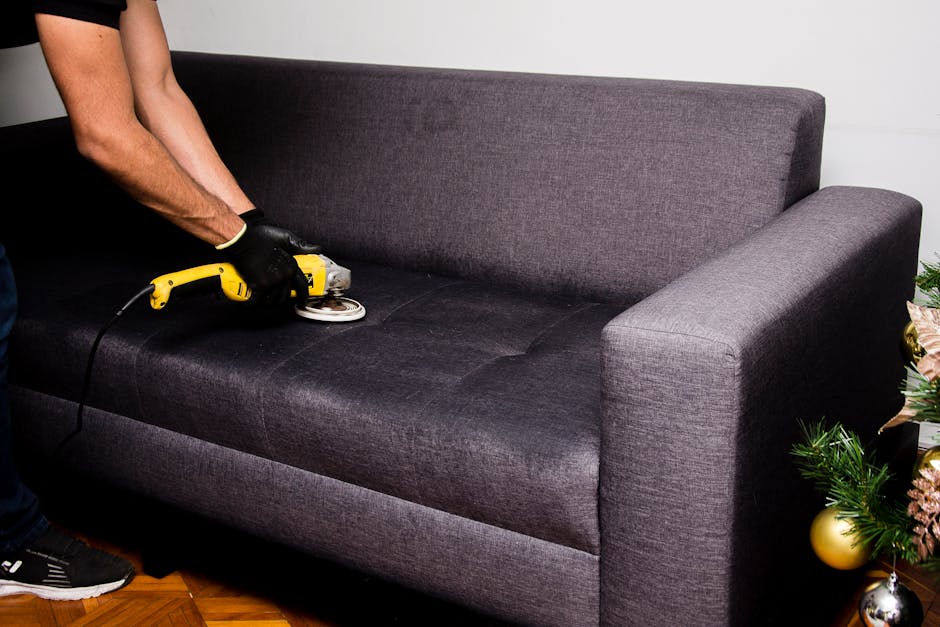
If you are searching for a Plashet Park sofa cleaning case study with before and after, you probably want more than a sales pitch. You want to know what a proper sofa clean actually changes, what the process looks like, and whether the result is worth the disruption. Fair enough. A sofa is one of the hardest-working items in the home, and when it starts looking tired, stained, or a bit dull under the window light, it can drag the whole room down.
This article breaks the job down in a practical, honest way. You will see why a before-and-after clean matters, how upholstery cleaning is typically carried out, what to expect from the process, and the most common mistakes people make when trying to sort it themselves. There is also a realistic case-study style walkthrough, a checklist, and a FAQ section to help you decide your next step with confidence.
Why Plashet Park sofa cleaning case study with before and after Matters
A sofa cleaning case study matters because upholstery is visual. Stains, body oils, traffic marks, pet hair, and everyday dust all build up quietly. You stop noticing it after a while, then one day the room feels a bit flat and the fabric has lost its lift. A good before-and-after example gives you something much more useful than vague promises: it shows the type of improvement that is realistic.
For homes in and around Plashet Park, there is also the practical side. Busy family life, shoes near the sofa, takeaways on a Friday night, pets getting comfortable where they probably should not, it all leaves a mark. And to be fair, most sofas do not look filthy all at once. They just drift there gradually. That is why a case-study approach helps. It lets you see the changes in context, not in a polished showroom photo.
A before-and-after result also helps set expectations. Not every mark disappears completely. Not every fabric reacts the same way. But many sofas respond extremely well to the right cleaning method, especially when the fabric type is identified correctly and the technician uses the right level of moisture, agitation, and stain treatment.
Expert summary: The value of a sofa cleaning case study is not just the visible improvement. It is the reassurance that the process can be controlled, fabric-safe, and suited to real homes rather than just ideal conditions.
If you want to understand the wider upholstery process behind this kind of result, the main upholstery cleaning service page is a useful starting point, and the dedicated sofa cleaning service page explains the service focus more directly.
How Plashet Park sofa cleaning case study with before and after Works
A proper sofa clean usually starts with inspection. That sounds obvious, but it is the stage that saves you from damage. The fabric is identified, the stain types are checked, and the cleaner looks at seams, arm rests, cushion fronts, and high-contact areas. Those are the spots that tend to tell the story of daily use.
Then comes dry soil removal. This is important because loose grit and dust can act like fine sandpaper during wet cleaning. In plain English, if you skip the vacuuming and dust extraction stage, you can grind dirt deeper into the fibres. Not ideal.
After that, the technician will usually pre-treat soiled areas with a suitable upholstery solution. Some stains need targeted attention. Grease, food marks, drink spills, and pet-related issues can all behave differently. A single blanket approach rarely works well here.
Next comes the actual cleaning method. Depending on the fabric and condition, this may involve low-moisture cleaning, hot water extraction for suitable fabrics, or a carefully controlled upholstery clean with hand tools. The point is not to soak the sofa. The point is to lift contamination while protecting the fabric structure and dye stability.
Finally, the fabric is groomed if appropriate, and drying advice is given. A slightly damp sofa after cleaning is normal. A drenched one is not. The best results come from even cleaning, sensible moisture use, and patience during drying. It is a bit unglamorous, but there you go.
For tougher marks, a service such as stain removal may be relevant, especially when a spill has set in or left a shadow behind after the first clean.
Key Benefits and Practical Advantages
The clearest benefit is obvious: the sofa looks better. But the real value goes deeper than appearance. A well-cleaned sofa can improve how the whole room feels. Lighter fabric looks fresher. Colours recover some of their original depth. Texture comes back. That slightly flattened, worn-in look becomes less noticeable.
Here are the practical advantages people usually notice:
- Better presentation: the room feels tidier and more inviting.
- Improved hygiene: dust, crumbs, and embedded debris are reduced.
- Odour control: everyday smells become less trapped in the fabric.
- Fabric care: professional methods can be gentler than over-wetting with household products.
- Longer sofa life: regular cleaning helps slow wear from grit and build-up.
- Better value for money: cleaning often postpones replacement, which is no small thing.
There is also a psychological benefit, oddly enough. A clean sofa makes a room feel calmer. You sit down, and the whole place seems less tired. It is one of those small home improvements that has a bigger effect than people expect. Not dramatic, just satisfying.
When pets are involved, you may also want to explore pet stain and odour removal if the issue is not only visual but lingering in the fibres.
Who This Is For and When It Makes Sense
This kind of cleaning makes sense for homeowners, tenants, landlords, letting agents, and anyone who wants to restore upholstery without replacing it. It is particularly relevant if your sofa has one or more of these problems:
- food or drink stains on cushions or arms
- general shading from daily use
- pet hair and pet odour
- smudges around headrests and arm rests
- dusty, dull-looking fabric
- marks left by children, guests, or "that one accidental cup of tea"
It also makes sense before a property move, after decorating, or when preparing a home for visitors. Truth be told, many people wait too long. By the time they call in help, the sofa has collected years of life. That is still fine, but the earlier you act, the easier the clean tends to be.
If the furniture has broader wear across more than one surface, you may also benefit from a wider upholstery cleaning approach rather than focusing on the sofa alone.
Some households also pair sofa work with carpet cleaning so the room is refreshed as a whole. That can make the before-and-after effect much more noticeable. A sofa does not live in isolation, after all.
Step-by-Step Guidance
If you are thinking about a sofa clean, here is the practical sequence that usually gives the best outcome.
- Inspect the fabric and marks. Identify the fabric type, the age of the sofa, and the areas that need the most attention.
- Vacuum thoroughly. Focus on crevices, seams, under cushions, and edges where dust hides.
- Spot test where needed. A discreet patch test helps confirm how the fabric reacts to moisture or cleaning solution.
- Pre-treat stains and heavy soiling. Apply suitable solutions to problem areas before the main clean.
- Clean with the right method. Use a suitable upholstery technique for the fabric and condition.
- Check results and repeat selectively. Some marks need a second pass, but only where safe and necessary.
- Groom and dry properly. This helps the fabric settle neatly and prevents unnecessary marking.
- Give aftercare advice. Drying time, ventilation, and stain prevention matter more than most people realise.
A small but useful detail: cushions should often be rotated or re-positioned during the process where possible. This helps avoid tidy front panels and grimy hidden edges. A sofa can be deceptive. The front may look fine, while the back cushions are quietly telling the truth.
For very specific stains, a focused stain removal treatment is often better than repeating a full clean again and again. That saves time, fabric wear, and frustration.
Expert Tips for Better Results
Here is where a lot of average results become better results. A few practical choices make a real difference.
- Deal with stains sooner rather than later. Fresh marks are usually easier to manage than old ones.
- Use as little moisture as needed. Over-wetting can slow drying and leave a tide mark.
- Respect the fabric code. Not every material can be cleaned the same way. Some need much gentler handling.
- Ventilation matters. Open windows, use airflow, and allow the fabric to dry naturally.
- Do not scrub aggressively. Scrubbing can distort fibres or spread staining.
- Lift, blot, and work outward. That simple habit often prevents the stain from growing.
One more thing. Avoid spraying random household products on a sofa just because they worked on a hard surface. Upholstery is a different beast. The wrong product can create a faint ring, dye bleed, or a crusty residue that attracts dirt later. Nobody wants a clean-looking stain that comes back with friends.
If you are comparing services or planning ahead, the company's pricing and quotes information can help you understand how to request a realistic estimate before booking.
Common Mistakes to Avoid
The most common mistake is assuming every sofa is safe for the same treatment. It is not. A cotton blend, a synthetic weave, and a delicate upholstery fabric can each react differently. Another mistake is using too much product. More foam, more spray, more hope. Unfortunately, that usually just means more residue.
Other mistakes to watch for:
- skipping a full vacuum before wet cleaning
- cleaning over a stain without identifying its cause
- using coloured cloths that may transfer dye
- rushing the drying stage
- ignoring hidden areas like arm seams and back cushions
- trying to remove pet odour with fragrance alone
There is also the classic mistake of expecting one pass to fix years of build-up. Sometimes a sofa looks dramatically better after one visit. Sometimes it needs careful layered work. Both are normal. Real life has layers, and so does upholstery.
When odour is part of the issue, especially in homes with animals, a specialist approach such as pet stain odour removal is often more effective than surface cleaning alone.
Tools, Resources and Recommendations
You do not need a warehouse full of kit, but the right tools matter. A professional upholstery clean typically relies on:
- a strong vacuum with upholstery attachments
- appropriate pre-spray or upholstery-safe cleaning solution
- spotting agents for specific stains
- microfibre cloths and absorbent towels
- hand tools or upholstery extraction tools
- airflow support for drying
For homeowners, the best "resource" is often simply patience and a careful approach. Keep the sofa care label in mind, test any product in a hidden area, and avoid mixing chemicals. That sounds obvious, but people do it all the time. A little too enthusiastic with the spray bottle, then suddenly the armrest has a new problem.
If you are weighing up whether to clean a sofa, rug, or surrounding furnishings together, you may also find rug cleaning and curtain cleaning useful for creating a consistent finish across the room.
For customers who prefer to work with a company that explains processes clearly, it can also help to review the about us page and the practical information on insurance and safety. That is just sensible due diligence.
Law, Compliance, Standards, or Best Practice
For a sofa cleaning project, the main compliance concerns are usually practical rather than legal drama. In the UK, good practice means working safely, using appropriate products, following manufacturer care guidance where available, and avoiding damage to property. For professional cleaners, that also means having suitable insurance, following health and safety procedures, and taking reasonable care with chemicals and equipment.
Clients do not usually need to know every technical detail, but they should expect a cleaner to behave responsibly. That includes explaining any limitations, setting realistic expectations about stains, and advising on drying time or aftercare. If a fabric is delicate or the stain is permanent, honesty is better than overpromising. Much better.
If you want more reassurance on operational standards, policies such as health and safety policy, payment and security, privacy policy, and terms and conditions are useful reading for understanding how a service is run and what to expect as a customer.
If sustainability matters to you, it is also reasonable to look at the business's recycling and sustainability information, especially if you are choosing between providers with different waste and water-use habits.
Options, Methods, or Comparison Table
Not every sofa should be cleaned in the same way. The right method depends on the fabric, the soil level, the stain type, and how quickly the item needs to be usable again. Here is a simple comparison.
| Method | Best for | Advantages | Watch-outs |
|---|---|---|---|
| Vacuum-only refresh | Light dust and routine maintenance | Quick, safe, no drying time | Won't remove embedded stains or odours |
| Targeted stain treatment | Specific spills or spot marks | Efficient and focused | May not address full-surface dullness |
| Low-moisture upholstery clean | Everyday fabric maintenance | Controlled drying, good for many fabrics | Not suitable for every textile |
| Hot water extraction where appropriate | Heavier soiling on compatible upholstery | Deep cleaning potential, strong refresh effect | Must be used carefully to avoid overwetting |
There is no universal winner. The best choice is the one that fits the fabric and the problem in front of you. That sounds a bit plain, but it is the truth. Good cleaning is often about restraint, not heroics.
Case Study or Real-World Example
Here is a realistic case-study style example based on the kind of work often carried out on family sofas in the Plashet Park area. The sofa was a heavily used fabric three-seater with arm marks, faded cushion fronts, a couple of food spills, and a general greyed look around the seating area. Nothing dramatic from across the room, but close up it looked tired and flat.
Before cleaning: the left arm had darker handling marks, the seat cushions showed a softened outline of everyday use, and there was a noticeable drink stain on the front edge. Under daylight, the fabric looked patchy. You could see exactly where people sat most often. It had that lived-in feel that is charming for about five minutes, then slightly depressing after that.
Process: the sofa was inspected, vacuumed, and treated in sections. The stain spots were pre-treated carefully. The cleaner worked methodically across the arms, seats, and backs, then revisited the heaviest marks rather than pushing harder in one pass. That matters. Gentle repetition usually beats brute force.
After cleaning: the sofa looked brighter, the seating area appeared more even, and the visible spill marks were reduced significantly. The fabric no longer looked dull under daylight. The clean did not make the sofa brand new, and it did not pretend to. But it gave the furniture a clear second life and made the room feel less worn out.
What changed most:
- the colour looked more balanced
- the arm and seat marks were less obvious
- the sofa felt fresher to use
- the room itself looked better proportioned and cleaner
If you are comparing a sofa to other soft furnishings in the same room, a combined approach with steam carpet cleaning can help the whole space feel reset, not just one item.
Practical Checklist
Before you book or start cleaning, run through this checklist. It keeps the process simple and avoids a lot of avoidable mess.
- Check the sofa fabric type or care label.
- Identify the main problem: stains, odour, dullness, or all three.
- Vacuum every cushion, seam, and crease first.
- Spot test any product in a hidden area.
- Avoid mixing different cleaning chemicals.
- Keep the room ventilated for drying.
- Rotate cushions if the design allows it.
- Set realistic expectations for old or permanent stains.
- Ask about insurance and safe working practices.
- Confirm drying guidance before the cleaner leaves.
A quick check like this takes a few minutes. It saves hours later.
Conclusion
A Plashet Park sofa cleaning case study with before and after is useful because it shows the real value of upholstery care without exaggeration. The best results come from matching the method to the fabric, treating stains properly, and giving the sofa time to dry correctly. When that happens, the change can be surprisingly satisfying. Not perfect. But honest, fresh, and noticeably better.
If your sofa is starting to look dull, carry daily marks, or hold on to smells that never seem to quite leave, it is probably time to do something about it. And the good news is that the right clean can make a proper difference, even on furniture that has seen a lot of life.
Get a free quote today and see how much you can save.
Frequently Asked Questions
What does a sofa cleaning before and after case study actually show?
It shows the condition of the sofa before cleaning, the cleaning process used, and the visible improvement afterwards. It helps you judge whether the result is realistic for your own furniture.
How long does sofa cleaning usually take?
That depends on the size of the sofa, the fabric, and how dirty it is. A straightforward clean can be fairly quick, while heavily soiled upholstery may need more time and careful spot treatment.
Will all stains come out of a sofa?
Not always. Some stains are permanent, especially if they have been left for a long time or if the fabric has already been damaged. A good cleaner should be honest about what can and cannot be improved.
Is sofa cleaning safe for delicate fabrics?
It can be, provided the correct method is used. Delicate fabrics need more care, a proper inspection, and a suitable cleaning approach rather than a one-size-fits-all process.
Can sofa cleaning remove pet odours?
Often yes, but the outcome depends on how deep the odour has penetrated. Surface odours are usually easier to address than issues that have settled into the padding or backing layers.
How long does it take for a sofa to dry after cleaning?
Drying time varies based on airflow, fabric type, room temperature, and the cleaning method used. Good ventilation makes a noticeable difference, and patience is still the best tool here.
Is professional sofa cleaning worth it compared with doing it myself?
For light maintenance, DIY can help. For deeper stains, odours, or valuable furniture, professional cleaning is often worth it because it reduces the risk of overwetting, residue, or fabric damage.
What should I do before a sofa cleaner arrives?
Clear nearby items, vacuum if you can, and point out any specific stains or damage. The more the cleaner knows upfront, the more targeted the work can be.
Can sofa cleaning help a room look brighter?
Yes. Clean upholstery can lift the whole room, especially if the sofa is a large visual feature. Even modest fabric improvement can make the room feel fresher.
Do I need sofa cleaning if the fabric does not look very dirty?
Possibly. Some build-up is subtle and shows more in daylight than under indoor lighting. If the sofa feels dull, smells stale, or has high-use areas, cleaning can still make sense.
What is the difference between upholstery cleaning and sofa cleaning?
Upholstery cleaning is the broader service term for fabric-covered furniture. Sofa cleaning is a more specific service focused on couches and settees, though the techniques often overlap.
How do I know if a cleaner is following proper safety and customer-care practices?
Look for clear communication, sensible expectations, and visible attention to fabric care and safety. Pages such as health and safety policy and insurance and safety are helpful signs that the business takes the work seriously.
What if I have more than one item to clean in the home?
That is common. Many people combine sofa work with carpets, rugs, or curtains to get a more balanced result across the room. It can be more efficient too.
How do I book or ask for a quote?
The simplest next step is to review the service and pricing information, then make an enquiry. If you want to compare options first, the pricing and quotes page is the best place to start.